Turnpike Lane Man with Van Access Guide for Busy Streets
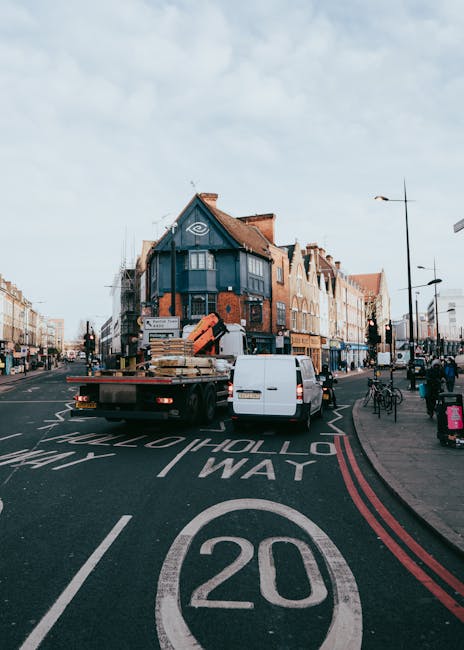
Moving in Turnpike Lane can be straightforward on paper and slightly chaotic in real life. Busy bus routes, narrow side roads, school runs, deliveries, parked cars, and the occasional double-parked van all change the picture. That is exactly why a Turnpike Lane man with van access guide for busy streets matters. If you are trying to move a flat, collect furniture, or shift a few bulky items without turning the day into a traffic jam, planning access well is half the job. The other half is having the right vehicle, the right timing, and a team that knows how to work in tight London streets without making a fuss.
This guide breaks the process down clearly. You will learn how street access affects a move, what to check before booking, which mistakes cause delays, and how to make things easier for everyone involved. Truth be told, the difference between a smooth move and a stressful one is often just a few sensible decisions made early.
Why Turnpike Lane man with van access guide for busy streets Matters
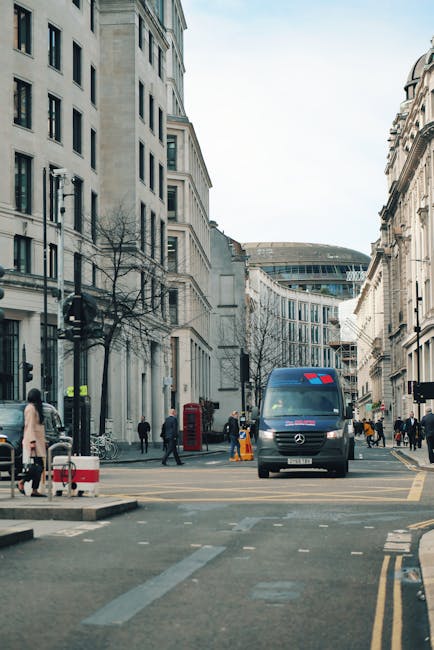
Turnpike Lane sits in a part of North London where movement never really stops. There are residential streets with limited space, busier roads with frequent traffic, and a steady flow of people going about daily life. For removals or deliveries, that creates a few real-world issues: where the vehicle can stop, how long it can stay there, whether there is room to unload safely, and whether neighbours, pedestrians, or passing traffic will be affected.
Access planning matters because a van that cannot park close enough turns a quick move into a long carry. A long carry is not just inconvenient. It can increase the chance of damage, add pressure on the crew, and make small jobs feel much bigger. If you have ever carried a wardrobe further than you expected, you already know the feeling. One minute you are optimistic, next minute you are sweating at the second floor landing and wondering why the lift is always out of service.
It also matters for timing. Busy streets may be fine at 11am and awkward at 8:30am. Some roads are calmer in the late morning, while others become congested around school pick-up time or commuter peaks. A good local mover will think about this before arrival, not after they have turned up and realised the road is basically at a standstill.
For local readers comparing services, it is worth looking at how a company handles the practical side of a move, not just the headline price. Pages such as services overview and man and van Harringay can help you see how different jobs are approached, especially if your move is small, urgent, or in a difficult location. And if you are planning something larger, the broader guidance on removals in Harringay is also useful.
How Turnpike Lane man with van access guide for busy streets Works
In simple terms, access planning is about matching the job to the street. That means understanding the road layout, vehicle size, loading space, and the likely movement around the property. A man with van service is often best for this because it is more flexible than a larger removals lorry. Smaller vehicles can usually get closer to the property, fit into tighter gaps, and complete the job with less disruption.
The process usually starts with a few questions. Is the property on a main road or side street? Is there a loading bay? Can the van wait outside for a short period? Are there stairs, a narrow entrance, or a shared hallway? Does the job involve furniture, boxes, appliances, or fragile items? These details sound minor, but they decide how the move is arranged.
Here is the part people sometimes miss: access is not just about driving to the address. It is about the whole path from van to front door. If the van must stop around the corner, the carrying distance changes. If the pavement is crowded, the loading method changes. If the building has tight stairs, the team may need more time and a different lifting plan. A sensible local service will factor all of this in before the day begins.
In many cases, the mover will also consider whether a removal van or a standard man with a van setup is more suitable. That choice depends on the amount of furniture, the level of access, and whether the street is likely to allow efficient loading. For small-to-medium jobs, flexibility is often worth more than brute size.
Key Benefits and Practical Advantages
A well-planned move in a busy Turnpike Lane street saves time, but the benefits go beyond that. The right approach reduces strain, keeps items safer, and makes the whole experience feel calmer. And let's face it, moving day already has enough personality without extra drama from the road outside.
- Less waiting time: If the van can stop sensibly and unload quickly, the crew spends less time circling the block.
- Lower risk of damage: Shorter carries usually mean fewer knocks, trips, and awkward turns through hallways or kerbs.
- Better use of labour: Two people moving efficiently with the right vehicle often outperform a larger team stuck dealing with poor access.
- Less disruption to neighbours: Careful timing and tidy loading help avoid blocking doors, bins, or narrow pavements.
- More predictable costs: Clear access details help reduce the chance of surprises caused by extra time on site.
There is also a psychological benefit. When the mover seems organised and calm, the client usually relaxes a bit too. That matters. A move can feel frantic enough without a constant sense that something has been forgotten.
If you are also comparing local service types, it can help to see how specialist jobs are handled. For example, flat removals in Harringay often require careful access planning because of shared entrances, stairs, or limited parking. For bulkier items, furniture removals can be a better fit if you need heavy lifting done with a bit more structure.
Who This Is For and When It Makes Sense
This guide is useful for anyone moving in or around Turnpike Lane where street access is not completely straightforward. That includes residents in flats, renters changing address, people collecting marketplace furniture, and small businesses shifting items between sites.
It tends to make the most sense if any of the following apply:
- You live on or near a busy road with limited stopping space.
- Your property is in a block of flats with tight entry points.
- You need a quick collection or delivery during a busy part of the day.
- You are moving a small household load, not a full house.
- You have bulky or awkward items that need careful handling.
- You want to avoid the cost and complication of a larger removal vehicle.
Students often fall into this category too. A compact move between halls, shared houses, or a first flat can be much easier with a flexible team. If that sounds familiar, student removals in Harringay is worth a look. Likewise, for larger domestic moves, house removals may be the better route if you need a fuller service.
One small but important note: if you are unsure whether your job is too large for a man and van service, ask. It is much easier to scale correctly before booking than to discover halfway through that you really needed more capacity. Happens all the time. Nobody enjoys that phone call.
Step-by-Step Guidance
Here is a practical way to plan access for a move in a busy Turnpike Lane street.
- Assess the street first. Look at whether there is space to stop outside the property, even briefly. Check for bus lanes, yellow lines, corners, dropped kerbs, or frequent through traffic. A quick walk outside at the same time of day can be eye-opening.
- Measure the load realistically. List the items that matter: beds, sofas, wardrobes, boxes, appliances, desks, or fragile items. If you are not sure, take photos. A clear picture is often more useful than a vague description.
- Check building access. Note stairs, lift size, hallway turns, buzzer entry, or any awkward doors. If you have to twist a sofa to get it through the doorway, say so early.
- Choose a sensible time slot. Try to avoid peak traffic where possible. Mid-morning or early afternoon can often be more manageable than rush hour, though every street behaves differently.
- Share the access details in advance. A good mover can work around a lot, but only if they know what they are walking into. This is the moment to mention road width, parking restrictions, and any expected delays.
- Prepare the items properly. Use suitable packing, label boxes, and disconnect appliances in advance if needed. Good packing saves time and lowers the risk of damage. If you need help with materials, the packing and boxes guide is a practical place to start.
- Keep the route clear. On the day, make sure hallways, doorways, and stairs are free from clutter. It sounds basic, but little obstacles can slow a job more than you would think.
- Have a backup plan. If the van cannot stop directly outside, decide in advance where it can safely wait and who will guide it. That tiny bit of planning can save a lot of bother.
If the job involves short notice or unexpected timing, same-day help can be a lifesaver. For those situations, same day removals in Harringay can be a sensible option, especially when speed matters more than a perfectly leisurely schedule.
Expert Tips for Better Results
There are a few habits that make a noticeable difference in busy-street moves.
First, share the awkward truth early. If your street is busy, say so. If the loading space is tight, say so. If the only legal parking is around the corner, that needs to be known too. Nobody benefits from polishing over the tricky bits.
Second, protect the access path. A clear hallway, a doormat moved aside, and some easy-to-grip boxes near the exit can save real time. The move feels smoother because less energy gets wasted on small obstacles.
Third, think like a driver and a loader. In our experience, the best local moves are the ones where the person booking considers both the street and the building together. Can the van stop? Can the items be carried safely? Is the entrance wide enough? Those three questions solve a lot.
Fourth, do not underestimate weather. Rain makes pavements slippery and slow. A damp box is annoying; a slippery step is worse. A coat, gloves, and a few dry covers can make a move much more manageable in a typical London drizzle. Nothing dramatic. Just sensible.
Fifth, keep breakables separate. If there are mirrors, glass, artwork, or electronics, let the crew know before arrival. Those items often need a different loading order, and maybe a quieter corner of the van.
If you want reassurance about how the company handles customer care and standards, pages such as about us, health and safety policy, and insurance and safety can help you judge whether the service feels properly run. That trust element matters, especially when your belongings are involved.
Common Mistakes to Avoid
The most common access mistakes are usually simple, not dramatic. But simple mistakes have a way of costing time.
- Booking without checking the road properly. A street may look fine on a map and still be awkward in person.
- Underestimating how long loading takes. Busy streets rarely forgive slow planning.
- Forgetting about parking restrictions. Even a short stop can be an issue in the wrong place.
- Not mentioning stairs or tight turns. These details affect both crew size and timing.
- Packing fragile items loosely. A bumpy ride through London traffic is no place for optimism.
- Leaving bulky furniture unmeasured. If it barely fits through your home doorway, tell the mover before they arrive.
- Assuming a bigger van is always better. Sometimes a smaller, more agile vehicle is the smarter choice.
Another mistake is waiting until the morning of the move to raise concerns. By then, the route, timing, and vehicle have probably been set. Better to flag issues early and let the plan adjust naturally.
For anyone dealing with a particularly tricky property layout, the article on narrow staircases in Harringay Ladder homes offers useful context, especially if your building has the kind of stairs that make everyone instinctively inhale before carrying the sofa up.
Tools, Resources and Recommendations
You do not need fancy kit to manage a move well, but a few practical tools help a lot.
| Tool or resource | Why it helps | Best for |
|---|---|---|
| Photos of the street and entrance | Give the mover a quick sense of access without guesswork | Any move in a busy area |
| Basic measuring tape | Helps confirm doorway, furniture, and stair clearance | Bulky items and flats |
| Labelled boxes | Makes unloading and placement quicker | Domestic moves and student moves |
| Protective wrapping materials | Reduces scuffs and breakage during loading | Furniture and fragile goods |
| Phone notes with access details | Keeps the important bits in one place | Short-notice and same-day jobs |
It also helps to use local information pages to understand the area better. A few relevant reads include getting to know Haringey and its streets and local advice for living in Harringay. They are useful if you are new to the neighbourhood and still learning which roads get busy, where parking tends to be tighter, and how the local rhythm works. That local sense can save you a lot of guesswork.
If you are comparing broader service options, removal services in Harringay and removal companies in Harringay can help you think through the level of support you actually need. Not every move needs the same setup, and that is fine.
Law, Compliance, Standards and Best Practice
Busy street moving in London sits within a few practical expectations, even if the details vary by road and property. You should avoid unsafe stopping, blockages, or behaviour that creates risk to pedestrians, other road users, or property. The exact parking or loading restrictions are local and can change, so it is wise to check street-level conditions rather than assuming everything is permitted just because it is briefly convenient.
Good movers will also work with sensible health and safety practice. That means lifting carefully, avoiding damaged items, keeping paths clear where possible, and not forcing unsafe manoeuvres. If stairs are steep, entry is cramped, or the load is awkward, the safer solution is usually the better one, even if it takes a little longer.
Insurance matters too. Not because anyone expects a problem, but because responsible handling includes being prepared. If a company can explain how it approaches damage prevention, liability awareness, and customer care, that is reassuring. You want calm competence, not vague promises.
For clients, the best practice is equally simple: be accurate, be honest, and keep communication open. If the move becomes more complex than expected, say so early. If access changes on the day, let the team know immediately. Small updates prevent bigger headaches.
If you like checking the practical side of a service before booking, the company's terms and conditions and pricing and quotes pages can be helpful for understanding expectations and how estimates are usually approached.
Options, Methods, or Comparison Table
Not every move in Turnpike Lane needs the same approach. Here is a simple comparison to help you decide what fits your situation.
| Option | Best for | Strengths | Trade-offs |
|---|---|---|---|
| Man with van | Small to medium loads, busy streets, flexible access | Agile, quick, easier to park, usually ideal for tight roads | Less suitable for very large house moves |
| Larger removal van | Bigger loads or jobs with more furniture | More capacity, fewer trips | Harder to manoeuvre, may struggle with narrow streets |
| Full removal team | Complex or multi-room moves | More hands, better for heavy or numerous items | Higher cost and more coordination required |
In busy streets, the smaller and smarter option is often the better one. That does not mean it is always the cheapest or best fit, though. If you are moving a whole flat with beds, wardrobes, and appliances, you may need something broader. The right choice depends on volume, access, timing, and how much lifting is involved.
For people who just need a clear starting point, the best move is often a conversation rather than a guess. The service pages for man with van Harringay and removals Harringay help frame that decision in a practical way.
Case Study or Real-World Example
A typical Turnpike Lane job might look like this: a two-bedroom flat on a busy residential street, a sofa, a bed frame, several boxes, and a few awkward pieces of furniture bought second-hand. The client can see the road is busy by 8am, parking is tight, and there is only a short stretch of kerb where a vehicle can stop without causing trouble.
Instead of booking a large vehicle, they choose a flexible man and van setup. The mover asks for photos, checks the entrance, and suggests a mid-morning slot after the commuter rush but before school collection traffic starts building again. The client packs boxes in advance, disassembles the bed, and leaves the hallway clear. Nothing dramatic, just sensible preparation.
On the day, the van stops briefly in the best available position, the load is moved in one organised flow, and the carry distance stays short enough to keep everything manageable. There is a little noise, naturally. A few doors open, somebody's kettle starts whistling in the background, and a passing cyclist rings their bell at the worst possible moment. But the job finishes on time, with no chaos, because the access plan was realistic from the start.
That is usually how the best local moves happen. Not by magic. By preparation.
Practical Checklist
Use this before your move or collection:
- Confirm the exact address, flat number, and access point.
- Check whether the van can stop legally and safely nearby.
- Note any bus stops, loading bays, yellow lines, or tight corners.
- Measure large furniture and awkward items.
- Photograph entrances, stairs, and narrow hallways.
- Tell the mover about lifts, intercoms, or door codes.
- Pack fragile items separately and label them clearly.
- Clear the route inside the property.
- Choose a sensible time window to avoid peak congestion where possible.
- Keep your phone nearby in case the crew needs quick guidance.
Expert summary: if your street is busy, your success depends on three things: access, timing, and communication. Get those right and most of the stress drops away. It really does.
Conclusion
A good move in Turnpike Lane does not happen by chance. It happens when the vehicle, the street, and the property are planned together. That is the heart of any Turnpike Lane man with van access guide for busy streets: keep it practical, keep it honest, and avoid making assumptions about parking or loading. The busiest streets are still manageable when the job is approached with a bit of local awareness and a decent plan.
If you are choosing between services, start with the type of load, the quality of access, and the timing you can realistically work with. From there, the right option usually becomes much clearer. And if you are still unsure, ask for advice before booking. A short conversation now can save a surprisingly long afternoon later.
Get a free quote today and see how much you can save.
Move well, stay calm, and give yourself a bit of room to breathe on the day. That small bit of headspace makes a bigger difference than people expect.
Frequently Asked Questions
What is the best time for a man with van move in Turnpike Lane?
Mid-morning or early afternoon is often easier than peak commuter times, but the best slot depends on your exact street and how busy the area gets during the day. The aim is to reduce congestion and make loading simpler.
How do I know if a van can access my street?
Check whether a vehicle can stop legally and safely near the property without blocking traffic or creating a hazard. Photos of the road, pavement, and entrance are often the quickest way to help a mover assess access.
Do I need parking arranged before the move?
Sometimes yes, sometimes no. If your street is tight or heavily restricted, parking or loading space becomes a major part of the plan. Even when formal parking arrangements are not needed, it helps to confirm the practical stopping point in advance.
Is a man and van service suitable for flats in busy streets?
Yes, especially for smaller or medium-sized flat moves. It is often a good fit when access is tight, the load is manageable, and you want a more flexible vehicle than a larger removal lorry.
What should I tell the mover before they arrive?
Share anything that affects access: stairs, lifts, narrow hallways, parking restrictions, long carry distances, large furniture, and any timing concerns. The more accurate the details, the smoother the day is likely to be.
Will a larger van always be better?
No. Bigger is not always better on busy streets. A smaller or more agile vehicle can often park more easily and complete the job faster if access is tight.
How much does access affect the cost?
It can influence the amount of time needed on site and the complexity of the move. That does not always mean a much higher price, but poor access can slow things down and change the estimate.
What if my road is busy with school traffic or deliveries?
Then timing becomes especially important. A short, well-planned loading window outside the busiest periods is usually the safest and smoothest option.
Can you move bulky furniture through narrow staircases?
Often yes, but it depends on the item, the stair layout, and the turning space. For awkward pieces, measuring first and sharing photos in advance makes a huge difference.
What happens if the van cannot park directly outside?
The team may need to park nearby and carry items a little further. That is common in London, but it is best to know in advance so the job can be planned properly.
Are same-day bookings possible for busy Turnpike Lane streets?
They can be, especially for smaller jobs. Same-day work is easier when the access is simple and the load is already packed. For more complex moves, earlier notice is always better.
Where can I find more information before booking?
Useful starting points include the service pages, the pricing information, and the company background. If you want to ask specific questions about access or timing, the contact page is the most direct next step.
For anything that feels a bit uncertain, a quick check with the team is usually better than guessing. And honestly, in a busy area like Turnpike Lane, that little bit of clarity can make the whole day feel lighter.
When the street is busy, the calmest move is the one that was planned like a local knew the road already.
Contact the team if you want to talk through access, timing, or the right vehicle for your move.